Categories
American Chestnut American Chestnut Foundation Breeding Chestnuts Roasting Chrismas Eastern Forest Evnironment Forest Restoration Hope

Happy Holiday Hope: The Slow but Steady Return of The American Chestnut

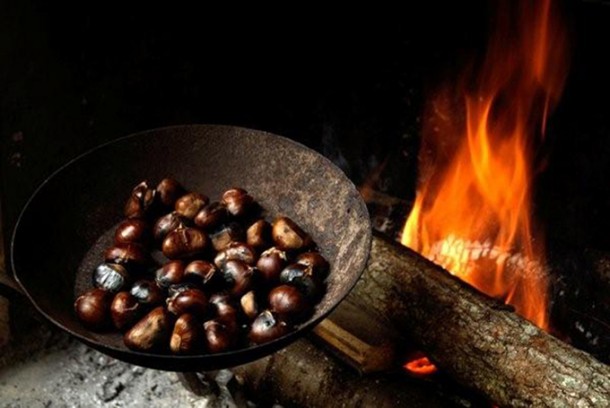
The Christmas Song (Chestnuts Roasting On An Open Fire) – Nat King Cole
Its one of the best Christmas songs you have to admit.. some of em feel like a brain tumor (yup.. Jingle Bells, sung by Simon and The Chipmunks   click this link at your peril.. it’s a special level of hell made for your Aunt Thelma), but when this one, Nat King Cole, gets stuck in your head, it’s not bad, it does make you feel warm.. you feel the fire, smell the smell of roasting sugars, and it feels cozy… pre-global warming cozy… nothing to worry about cozy… it’s a damn good song. But what the hell was Nat King Cole talking about?
It’s a rare American city where the festive cheer leads to roasted chestnuts, but you can find em sometimes, at Christmas markets and state fairs. My first time seeing them of all places was in Europe where the crop is more steady. It was a lonely Christmas in Munich, and I wandered their famous Christmas Market, complete with Glockenspiel ( A favorite joke German word of a college buddy of mine, and how relieved I was to find out it was just a clock..) and some guy was roasting these little round things over coal and it turns out they were little salty morsels of goodness, Chestnuts in English.

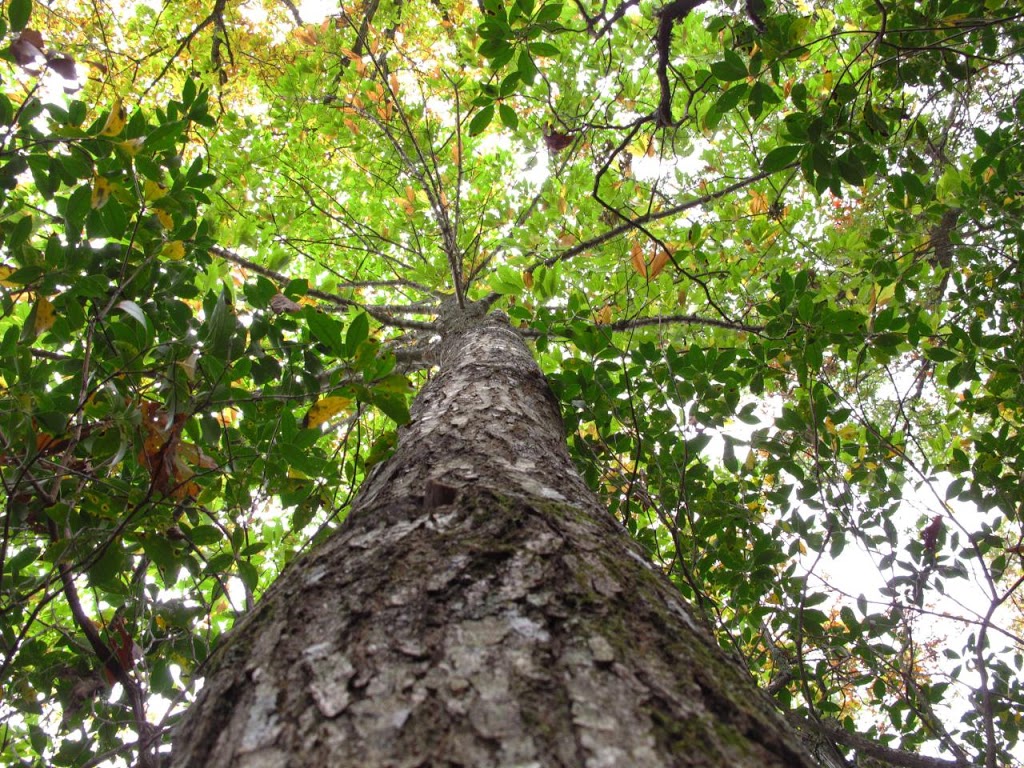
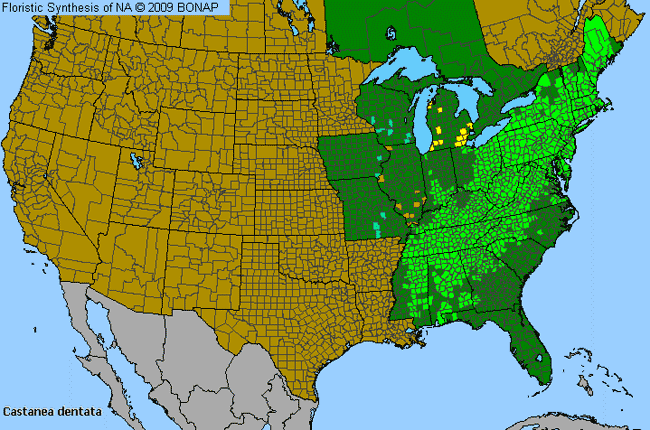
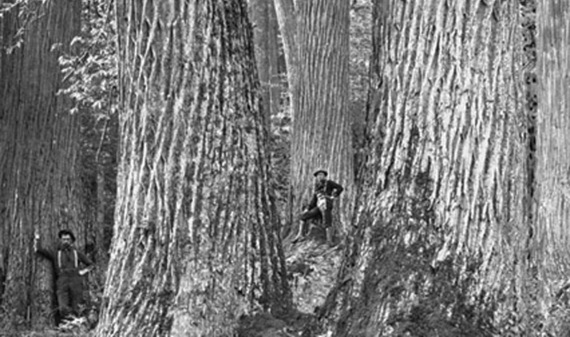
As a kid I was luck enough to have a mentor who was a Vocational Agriculture teacher and knew his forestry, and he once told me about the great American Chestnut, which wasn’t a distant memory when he was born in 1938. If you read accounts of the first settlers Poking into the American Wilderness and past the Alleghenies, men like Daniel Boone and Davey Crockett, they spoke of game so prolific you didn’t have to be a great woodsman to kill them, you could almost swing a stick. The forests of the east were thick with game, in part because of the die off of Native Americans due to introduced diseases, which led to a lull in hunting pressure for years or decades in advance of European Western Expansion from the Atlantic Coast, but greatly due to this one tree, the American Chestnut. Their nuts were so nutritious and ample that they coated hundreds of thousands of square miles of forests with deeply nutritious food. Naturalists estimate that had no other impacts happened, no European encroachment, hunting pressures, predator extinctions or invasives, earth worms from ship holds or land clearing, that the loss of the American Chestnut still would’ve cut game numbers by huge percentages due to loss of such a rich forage. What Krill is to the Ocean, the basis of the food web, The American Chestnut was to the Eastern Forest of the US.

 It was 1 in every 4 trees across the Eastern Forests of North America, but a blight took it, reduced it from billions (yes, with a B, they estimate 4 Billion) of trees to nothing in just years, from 1904 when some nursery stock was brought over to the New York area from Japan with a peculiar blight (hmmm.. if they know this much, do they know the actual shipment?) A Biologist discovered it as it killed a stand of Chestnuts at the NEw York Botanical Gardens, but the cat was out of the bag, and it spread for the next 40 years until there were essentially no mature trees left by WWII.

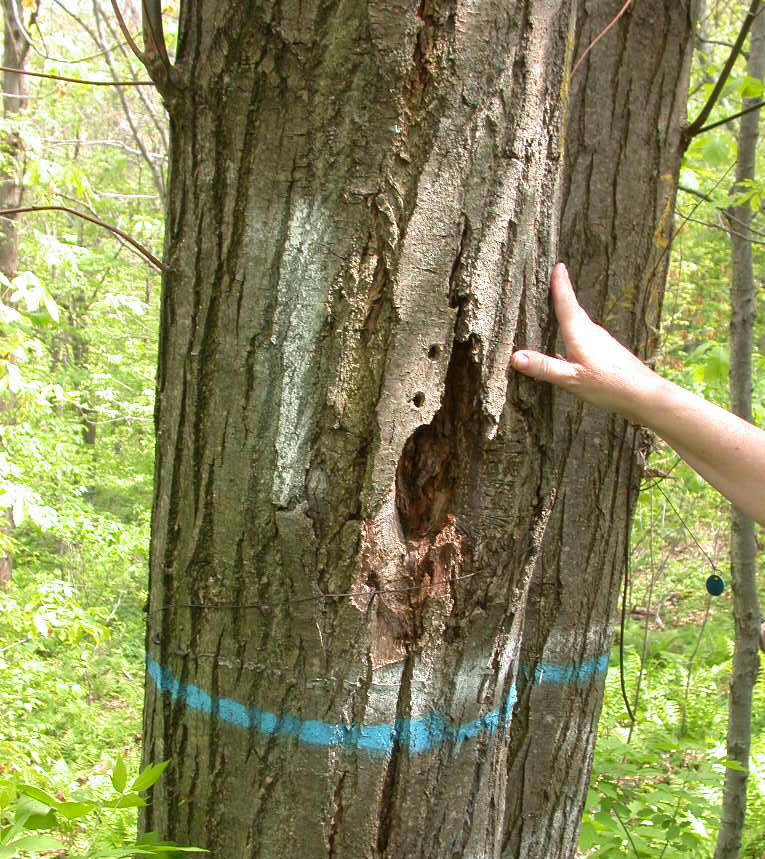
The same thing happened to it’s smaller cousin, the American Cincquapin, which struggled to hang onto life in places like Arkansas but did fare slightly better. You might find places where shoots kept trying to grow from old seeds of the American Chestnut, or you might find a Chinese Chestnut and confuse it for an American one ( I did once in 1994 on my last days on a very long trail as it ran through New York State where I patched up a missed section in time for, yup, Christmas. Spikey looking nuts, but my mentor figured it was Chinese sadly), but they would die by 30 years old, 30 rings, almost without fail.

Well, as luck would have it, almost without fail. The way nature works (since I just got an earful on Darwin in the South Atlantic, on some lil’ islands famous for a brush with the big state in 1982.) is that if you attack 4 Billion individuals with something, inevitably, one of em is gonna adapt and survive, and it turns out, far and wide, woodsmen and naturalists started to notice.
Wikipedia, always ahead of me, but not quite a place of Christmas cheer, has a list, updated to 2015, of all the known surviving individuals..
https://en.wikipedia.org/wiki/American_chestnut
it’s these individuals that led to two distinct and interesting attempts to bring the Chestnut back, to literally restore the basis of Eastern Ecology prior to the 20th century, so altered by the busy hands of Americans (Idle Hands do the Devils work we were all told, and man were we busy.. my most popular posts, no matter where I write about in the world, are all about efforts to restore ecological balance east of the Rockies, which ain’t easy, because us industrious Bi-Pedal Beaver Monkeys known as Americans sure screwed it up!).
Now I am not a Botanist.. I hardly know what a cell is. I slept through that part daydreaming (and occasionally full on dreaming, a bad class sleeper was I) of History, Politics and the woods, my three childhood loves, but the way it has been explained to me is that there are two separate efforts to restore the chestnut, and in true American spirit, both are welcomed. One is based on hybridizing with Chinese Chestnuts, the other on breeding resistant American Specimens only if I understand. The names are quite similar:
Located in the very western point of Virginia on a 150 acre experimental farm loaded with chestnut experiments, near the Cumberland Gap and Bristol Tennessee, near Clinch Mountain where the Stanley Brothers learned to sing, The American Chestnut Foundation is using the Chinese Chestnut genes, about 2%, 98% Native Bred, to make the process happen fast.
I’ll let them explain their process for those who want to know, something they call Backcrossing to enhance genetic diversity past the two somewhat resistant trees they started with, and wove Chinese Blight Resistance into.
http://www.acf.org/r_r.php
The other guys are the All American Act, started in 1986 in Western Virginia and West Virginia, in and around Virginia Tech, known as the American Chestnut Cooperators Foundation. They are trying to slowly but surely hybridized a great breeding chestnut crop that can handle the hot humid conditions that foster the blight with home grown resistance. It’s a long road, if not longer for them. They also are already placing specimens back into forest both in promising places and in locations where they have discovered other survivors of the great blight in the hills above Blacksburg, above the great Shenandoah.

Both Organizations will admit to you that this is a looooooong process. They both seem to have started in the 80’s, and with just a few individuals, both human and chestnut, and just bringing a chestnut to breeding age, with no screw ups, while fast for a tree, is a 6-10 year proposition. It’s going to be a long time before we are sprinkling seeds from George Jetson Space Scooters

to bring back 4 billion plants, but from over the pond, it’s a noble damn effort that can make a man homesick on Christmas eve.. it’s the American spirit of can do, bringing back America’s backbone tree, done the American way, but any means possible, and it’s the kind of story that brings hope to the soul and maybe in 50 years, home cookin’ to the belly. For now I will subsist on Roasted European Chestnuts, but in my heart of hearts and mind of minds, I am rooting for both of these efforts, and dreaming of Daniel Boone, fighting off well fed black bears in the heart of Kentucky, to bring home a fat chestnut fed Christmas Elk to his family on the homestead, with perhaps some chestnuts for roughage on the side, roasted by the same fire with fat running off the spit to hiss and spatter by them, maybe even flavor them. While my surroundings might be civilized, I am a wild American at heart, and like toys under the tree, Christmas is about dreams that link the ages isn’t it.. despite my now so civilized surroundings..
Merry Christmas, and may there be a Chestnut in your future, to feed the growing Elk populations of the American East, and our wild souls.

Categories
California Sea Otter crack heads cute Eastern Sea Otter endadngered species expansion french history Hope range Recovery Southern Sea Otter story threatened threats

The Cutest Things on Earth: The Recovery of the Eastern Pacific Sea Otter

There are times where nature astounds with it’s power, with it’s grandeur, with it’s scale and intricacy. Think storms, sweeping vistas, the size of the Pacific or so many impressive landscapes, and the beauty of a butterfly wing or a banana leaf if you stare close enough. Now you might not expect Grumpy to think this way, but sometimes it astounds in it’s cuteness! If Walt Disney or Walter Lantz had tried to come up with the cutest damn thing they could dream up, I am not sure it could come close to a few of Natures more compelling creations, passing perhaps the puppy, kitten, Shamu, Cambodians, baby pandas and seals in the fuzzy whiskery big eyed charmer category, and to make it funnier, what if perhaps the cutest creature ever had the personality of a grumpy drunk or combative crack head, something Dave Chappelle would love to take on…and that personality only made it all the more Daffy Duck lovable. Now throw on an environmental survival story that is really one for the books, a story with bad guys, exotic intrigues and a final surprise so fascinating that you are surprised more people don’t know about it…

who am I talking about.. this funny lil punk:
http://www.youtube.com/watch?v=o0OyhHeelyo
http://www.youtube.com/watch?v=a5UTJlECrrQ&list=PLiZ4KRbgzDQ_vNc3CKZkfRKhWbYneaEur
that last one.. the birthday cake one.. was so cute.. I just vomited in my mouth…
There were no Sea Otters where Muppet’s creator Jim Henson grew up in the Mississippi River Delta areas of the eponymous state, but there were river otters, their cousins… enough to perhaps inspire a lifetime of duplication…
http://www.youtube.com/watch?v=6uFy_LDrgm4
all right… I must have made my point about their adorability… now drag in the bad guys:
Our bad guys come to us from Russia, and those of us who grew up with the cold war, we are more than used to demonizing them, it was a sport when I was a kid! In fact, our bad guys really come from the Fur markets of Europe and China 300 years ago, and perhaps the Russians were trying to make a buck, but that’s too complicated, let’s not muddy the waters with split culpability, and humanity, that’s so Un-American! So suffices to say, that there is nothing quite like Sea Otter fur, and it ain’t just cuteness.. since the animal never developed blubber like so many other large warm blooded sea creatures, it’s a hollow hair, and it grows at densities of close to one million per inch… to contrast, the average human head has about 700 per square inch before thinning and baldness set in (and oh how they set in…)… the hollow nature of the hair gives insulation in the only way that insulation really works. by trapping gas, in this case air. They have to forage pretty regularly to stay alive, but the sea otter is a pretty trim physical specimen considering all that, and it’s pelt practically sheds water.. making it, and here’s the rub, one of the most, of not the most, valuable skin on earth for a while. Now I have seen the skin trade, and I am not talking about the red light district… and I can get you an American Puma Skin for like 600 bucks, a rabbit for almost less than a Sham-Wow, a tiger for maybe 1000, and I can say without a doubt the famous price for the last otter fleece to come into Peking before the market dried sometime in the 1800’s of 100,000 USD is something to be considered.. the Chinese and everyone else who needed to stay warm loved and knew the value of Sea Otter skin, and it didn’t help the little buggers stay alive once people started coming their way.
They used to range from Japan (maybe even the Koreas or China?) all the way to Baja, in a big horse shoe around the North Pacific, and I am just guessing at a population as high as a half million, but the events I am about to describe changed all that. In the time of Tsarina Anna of Russia, not a particularly popular leader, it was decided to explore Siberia and beyond in a great scientific expedition. A German Naturalist named George Steller was recruited, a smart and ambitious young man, as well as Danish Sea Captain Vitus Bearing. The story of their expedition to eventually discover Alaska for the western world and open up the north pacific to exploration and eventual exploitation by Europeans is documented better than I ever could in one of my favorite books, Where the Sea Breaks it’s Back, but keeping this germane to the fuzzy li’l wonder’s story that I am describing, it suffices to say that Steller was the first naturalist to apply western science to the Pacific Sea Otter, as well as dozens of other creatures, and his expedition would also pave the way for it’s downfall, as well as the extinction of a few other creatures, as even as the Bearing expedition was shipwrecked and starving, the men aboard struggled to preserve the pelts they had taken on this first foray, knowing their value…
The Russians who followed armed with the stories taken from the survivors of this trip in the mid 1700’s came with a thirst for ‘Furry Gold’ (just made that up… it sounds hilarious!). Russians beset first the Aleutians then mainland Alaska with violence in their quest for riches, capital among them: firs. There were battles fought in the Aleutians that set the tone for 100 years of Russian Rule, and armed with slaves they collected in the Aleutians who were useful of their hunting ability, the Russians ranged possibly as far south as Baja California in their search for Sea Otter pelts over the next 80 odd years.
http://en.wikipedia.org/wiki/Maritime_fur_trade

they made it as far south as Fort Ross officially, now on the Sonoma County Coast (near Bodega Bay for you Hitchcock fans), and ranged from their settlement there likely down as far as they could find pelts, which were extirpated from the Baja coast according to accounts sometime around then. This was the activity that inspired the Anza Expedition to leave Sonora and found the Presidio of San Francisco in order a secure Spanish territorial claims at the time, which were more than under threat by the Russians from an Economic standpoint at the time. They sure do cause a stir, when all they want to do is be left alone to eat some clams and sea urchins, and nap on the waves…
http://en.wikipedia.org/wiki/California_Fur_Rush
http://en.wikipedia.org/wiki/Sea_otter
You might imagine that given the value on their head, and the skill of the Aleutians and the Russians, and any other Native Americans that might have been recruited or impressed to help with the hung,  and even the Spanish and their native guides, who couldn’t have been immune to the trade, that the Southern part of the Otters Range didn’t stand to last long… up in Alaska and on the coast of Siberia, there were more inlets, nooks and crannies to hide out in, and the population, if not thrived, survived in large numbers. I myself have watched otters float and fuss in areas I have had the privilege to explore around Prince William Sound, where their populations took a huge hit in the wake of the Exxon Valdez Oil Spill (the oil destroyed the insulative quality of their skin, let alone what it did to their food web and habitat), and even where they were so damaged just 20 years ago they were common enough that it felt like the further back you got the more you saw.. they would poke a head up and take a look, I hate to say it, in a manner that more than reminded me of crack heads I saw running around the projects I used to pass almost daily in my youth.. there is something almost offhandedly but humorously aggressive about them, perhaps defensively aggressive, fitful, like some old ghetto lady who don’t trust you no way no how.. she’s tryin’ to mind her own damn business, but she’s a watchin’ you! Maybe that’s too strong, maybe it’s just a French attitude.. that kind of plucky indignance, like a grumpy French Heroin addict. You know how California is.. it’s the new France… People who work with them in animal rescue centers like the one in the Marin Headlands talk about how quick they are to bite, even though they can be cute and endearing as a cat seconds later.. they just want to be left alone… is that so wrong!
That crotchetiness obviously was hard earned.. everything from Orcas to Great Whites wants to eat them up, which is why they hang in the shelter of the kelp forests, and in a funny way, they spur the growth of their own shelter.. you see, when they are present, they eat up a lot of the species that compete for territory with Kelp taking root on the seafloor… when they eat up the urchins that take over, the kelp gets to root in, which increases kelp growth, and as they expanded their range again over the last 80 years, so did kelp forests. and that’s just the beginning of their benefits tot he general habitat as kind of the king browser of the kelp world:
http://www.latimes.com/science/sciencenow/la-sci-sn-sea-otters-boost-seagrass-growth-20130826,0,7071924.story#axzz2s8LNahR4
So expanded their range !?.. I have been talking about them basically being extirpated for the last few paragraphs. What could I be talking about.. didn’t these Aleutian hunters and their Russian Masters hunt them to extinction… Well, almost.. enter Hope, stage left…
For as many as 150 years, the Eastern Pacific Sea Otter was thought to have been extirpated, read exterminated for it’s fur, from the south east portion of it’s territory… from somewhere in British Colombia or Alaska South.. it had managed to survive and rebound in Alaska and Siberia, come up to numbers in the hundreds of thousands, but there was just a spot someplace on the Canadian or Southeast Alaskan Coast where even with protection since 1911 under the Fur Seal treaty which finally tried to secure the future of Northern Pacific pelagic populations of pinnipeds and other such things from extinction, which had already eliminated such creatures as the Stellar Sea Cow from this earth, they hadn’t strayed south from. There weren’t enough of them to displace in territory.. there was literally so many sea urchins and bays and bights to re-habitate in these ragged inlets and coasts, thousands of miles of coastline, that there was no need to go further south.. to make an Alaskan Joke, Animals are much less likely to become End of the Roaders than people… even when adolescent males strike out like they do in so many other mammal populations, it wasn’t gonna be all the way down past Vancouver and into the US when there was no one to mate with down there, and it was a hell of a long trip… well, almost no one…
In the 1930’s, with America in the grips of the depression, it’s President and Congressional leadership set about an ambitious program to rebuild and expand the nation’s infrastructure in many unique and creative ways. While examining this movements impact on the environment would be a whole other topic of massive proportions given the size of the undertakings, the environment did fare well in the net total it would be fair to say. Huge areas were put under either complete protection as national parks and given infrastructure for public visiting, or less perhaps picturesque or unique wild areas were still put under management by government agencies like the US Forest Service and the Bureau of Land Management to become kind of national economic reserves of sorts, with better soil conservation and environmental balancing with their economic utility, kind of a technocratic Win-Win.. better management leads to a better economy… amongst the projects that came out of these undertakings were large works to create Scenic Highways in America.. Henry Ford had long since popularized the Automobile, and President Franklin Roosevelt mandated vacation time and a 5 day work week, knowing that in leisure there would actually be both cultural benefits and an expansion of the US economy… which we now call tourism… so if the government built roads like the Blue Ridge Parkway and the Natchez Trace, people would take their time to drive down them and explore all that nature they keep hearing about in the big cities… one such project was a highway down through a place called Big Sur.. to be fair, the project had started well before, after World War I, but progress was slow and perhaps not a priority despite groups as disparate as San Quentin prisoners and writer John Steinbeck working away until the whole New Deal Thing kicked in… so again how does this have anything to do with the Sea Otters I have been prattling on about for the last 20 minutes?
Well, when they were finishing up the Bixby Creek Bridge, perhaps the largest single project of the whole now famously scenic road, the workers there noticed a small colony of about 50 sea otters… from Internet research it is hard to put together exactly what happened when, but it appears that they built the bridge in 1932, and a man named Howard G Sharpe created or took over a lodge within sight of the bridge for visitors to enjoy. Sometime in 1938 it appears, he began to publicize the fact that this must be a remnant population that had survived the great hunts of the 1700’s… these 50 little buggers were descended from how many survivors I couldn’t guess, but somehow enough to breed and not create birth defects had survived and were having a fine time undiscovered by the mamologists of the day until Sharpe pointed it out… they were already protected of course, and their numbers began to grow, slowly but surely… before the 1750’s, California alone was thought to have had a population of 16,000 according to some estimate that made it onto Wikipedia. That ends up defining the fantasy of an ideal state as I have spoken about before in my piece on Cougars in Alaska (no, not Sarah Palin!). I don’t know how many Otters the Native Americans of the time might have harvested for fur or what have you, likely not many given the bounty available of food in the coastal areas of California, although I have heard anthropologists talk about tribes becoming so populous that there were bouts of starvation due to the utter livability of the place until they would max out the carrying possibilities of the areas (sound like modern California?), and it would have been my guess that they lived back into San Francisco Bay and perhaps even some other unique large estuaries that might no longer exist like along the waterfronts of Los Angeles.

I once read an account of an Otter being adopted by some Navy Sea Bees, Naval Engineers, on an Aleutian Island during the campaign there during WWII. He got himself stuck somehow in a dock that belonged to them, and they called a medic, sedated him, and spent a long time releasing him, brought him to a hospital, then watched him while he recovered with a lot of love right around that dock (if you have never been to the Aleutians, they are beautiful, but there isn’t a whole lot to do without being creative.) I try to imagine that the workers on the Bixby Creek Bridge were similarly touched by what they saw.
The population now in California is a matter of great obsession and examination. Due to their presence on the Endangered Species List as a threatened animal, and since there was a focus on Pacific Coast Ecology after the Santa Barbara Oil Spill in 1969, their status and recovery are handled by the USFWS, and of course this means a count, the kind of stuff I love to report on.. numbers in action… environmental sports score:
http://www.werc.usgs.gov/ProjectSubWebPage.aspx?SubWebPageID=23&ProjectID=91
Scroll all the way to the bottom for the count number. When I first tried to write this post, it was during the Government Shut down of 2013, and in the effort to kill Obama Care, they had shut down all government web sites.. I hope this one keeps working.
So it ain’t 16,000, it’s closer to 3,000. now given that in 1938, the assumption was that we didn’t have any at all south of Alaska, not so bad. I see no mention that geneticists ever tried to figure out how low the population had dipped before the 50 were discovered in the 1930s, but it might have been ten or fewer. There have been genealogical studies, quite a few, but I don’t see mention of speculation on this one fact, although I have heard of it being determined in other mammal species. until the two populations meet up, or 5 populations as it is now described, with 5 distinct recovery populations from Northern Japan to now the Channel Islands of California.

 There were two famous translocations of note, five actually. One brought otters from Russia to mix with some in Alaska, then there were attempts to have them resettle on the Olympic Peninsula of Washington (somewhat successful), the Oregon Coast (failure), off of Vancouver Island (successful) and on San Nicolas, one of the Channel Islands off of Santa Barbara which are now part of a plane and boat accessible national park. It was partially successful, with 59 now living from about 150 that were brought there to create a separate more remote population to improve survivability. What happened was that a lot of the otters tried to swim back to where they came from instead of sticking around someplace they got dumped by a bunch of meddling scientists… what do they know!? That’s the otter attitude, anyhow… the few that did stick around are now dong ok, giving us this population of 59 this year in the 2013 count. Then there was a little guy who made it up to the Oregon Coast on his own and hung out until a big storm a few years back, in the late aughts I believe, after which he wasn’t seen again. It wasn’t known if he came from the population in Washington State or California, but it was kind of neat, or portent of what might be to come if things keep going well. And I haven’t even mentioned what might have been a similar remnant population in an inlet of British Colombia, but this story is more fun in Cali, even though it’s easier to film up there, you know, because of the whole Union thing…
After posting this, I stayed a bit obsessed, holed up in a nice hotel resting from some trucking around, and I learned that this story of a remnant population being the seed of the whole recovery isn’t unique to BC and California. It turns out that that isn’t the exception to the story while populations up north remained robust. They in fact have done a bunch of genetic study, sometime in around 1990, maybe not on the California Population, but they concluded that the whole survival of the species came from about 13 remnant populations that collectively numbered a few hundred, or less.. this was a good story when I just knew about the 2 remnant populations.. now it seems almost less probable and more remarkable. They have now grown to the 5 distinct geographic populations described above:
http://alaska.usgs.gov/science/biology/nearshore_marine/pubs/Bodkin_Monson_2002_Arctic_Res_US.pdf
So what keeps them from jumping into San Francisco Bay or over it to what must be some pretty invited territory in Northern California, or coming south around to Santa Barbara or hopping across the Channel Islands into Mexico, or setting up permanent shop with the other quirky characters in Venice Beach or La Jolla? There are many reasons, but major ones include pollution, and just not wanting to be around other people. Like the Monks in Big Sur, they are a bit Misanthropic. Every time they come past Pigeon Point someplace near the base of the San Francisco Peninsula, just north of Santa Cruz, they seem to get in trouble. The population increases as you get closer to the Golden Gate, and think of all the water swept out from the bay, and with that, there are diseases from Human Run off that can get into the bivalve population, the clams and mussels they might eat, and make them sick. California being California, they actually get medical service, both because they are still considered threatened (they have to cross 3,090 for three years I read) and because that’s the kind of wacky stuff Californians like to do to protect the environment, so there is a network of care that they get, both through the Marine Mammal Center in Morrow Bay and the Marin Headlands but through a partner system they set up where the Monterrey Aquarium is actually their hospital:
https://www.montereybayaquarium.org/aa/timelinebrowser.asp?tf=90
They have a dang MRI machine! California is something..
Anyhow, what is keeping them from making these jumps is a combination of human influences, these populated sections of coast hemming them in a bit, and also just a lack of population pressure quite yet again.

Since the last three years were a bit flat in population growth, this 2008 data isn’t as old as it seems.

If you sift through the injury reports, you can see that White Sharks have started to have a taste for them again, and that life can be a bit crazy for an otter the same way it can be for a person living on the edge… it’s a wild world riding the waves… and one more funny thing that occurs to me.. if they did start to go south and north, they might increase kelp in some of the major Surf Breaks, and how would the locals feel about that? it’s scary enough without wondering what that is touching your foot all the time… Anyhow, we’ll cross that bridge when we come to it I guess, hoping the punks at Paloes Verdes or Johhny Malibu and his buddies in the Surf Punks don’t start a ruckus when the Sea Otter Clan invades their territory looking for a good ride:
http://www.youtube.com/watch?v=Vfq0bvVhQWw
What an inviting welcome, and that ain’t the half of what they will hit when they get to the Tijuana River, but we got time to sort it out right now…
http://sandiego.surfrider.org/2013-tijuana-river-action-month-schedule
http://www.sewagehistory.com/tijuana.html
we’ll keep trying to take care of this, and hopefully they just keep breeding and laughing.. like all Californians just want to do anyways…

Thanks for a little fuzzy whiskered Hope you guys… no matter how wacky the weather gets, or how bad things like DDT might have impacted such a beautiful place one, we got you, babe, the Pelagic Sonny Bono’s. now if Otters could just do something about LA traffic, the place might be truly livable for us as well!
Categories
Asia Ban Carbon China Electric Bike Electric Scooter four stroke government Hope Improvement Motorcycle Ban Numbers Pollution PRC Progress Scooter Shekou Shenzen two stroke

The Electric Scooters of Shenzhen

http://www.alibaba.com/showroom/import-electric-scooters-from-china.html

Post Soundtrack (click here and keep reading)

Every once in a while you stumble upon something, and you are surprised at the change. I travel so much, I know what to look for when it comes to change, and I know how slowly change usually happens. If the change is environmental in nature, in this case the application of a technology to reduce air pollution, and you see a complete turnaround in 4 or 5 years, you get a bolt of Hope in a hurry, especially if it happened in the heart of the world’s new global warming bette noir, The Peoples Republic of China, and to be exact, it manufacturing powerhouses in the areas around Hong Kong, Shenzhen and Guangzhou, the old Canton. What am I talking about.. it’s gunna seem small, it is small, but I hope I can find statistics to explain to you just how large it really is. I am talking about 2 stroke scooters, or the apparent lack of them, in Shenzhen. I used to have to imagine Asia without the whine of these ubiquitous little motors, now I can experience it. Every scooter in Shenzhen that I saw during a long days night of pacing the streets was electric. It was a complete change out of inventory in a way that could only occur under the type of authority extant in the wold’s largest Capitalist Dictatorship, the PRC, which just passed These Here United States of America for Overall Atmospheric Carbon Emissions a few years back. Let’s not talk per capita just yet, that’s embarrassing for the west. But in this blog, I wouldn’t be pointing such a hairy finger of blame, in part an accident of demographics, if it wasn’t somehow involved in displaying something good.

So what was I doing in Shenzhen, China’s fourth largest berg, or more accurately Shekou, it’s nicest sub city, for one night? Partying with a bunch of drunken sailors. Seriously. I was temporarily one of them, and we were 23 days land deprived and in need of a good look around and a night to remember. While the bosun and the watch officers unloaded and loaded our cargo of containers with the Chinese Longshoremen as part of the traffic between Long Beach, Oakland, and a quintet of Chinese ports as part of a regular service, those of us left got to sally onto shore for a bit of recreation.. The afternoon started with the normal sight seeing, let’s not talk about how the night ended to the uninitiated, but it was fun to see 20 drunken Brothers of the Sea from 4 different nations acting like teenagers on the town from one big happy family, and it was nice to be greeted by what we were greeted by in the form of these electric scooters. When you spend a lot of time at sea, there can be a symphony of mixed feelings involved in coming to shore. You remember how sad things can be. You have been staring at more stars than you can imagine, and the only humanity you were interacting with was humane, thoughtful, and only in a hurry when it needed to be, and there was no rancor but for the regular pulse of the engine, which becomes like a mothers heartbeat with time. So as I signed out of the gate with my new buddies, I braced myself for the smoggy insanity I know Mainland China to usually be. What greeted me was something distinct.. sure, people were still in a bit of a hurry, and the buses made a bit of noise, but something was missing, distinctly missing, and it is the signature sound of Asia beyond the twang of of the Huqin. The sound I am talking about is the whine of the two stroke engine, that is the heart of the Motor Scooter, ranging from 50 to 300 cc in strength. It is the modern Asian ride,the bike of the Post War Boom, the symbol of floating through a sea of humanity with modernity. There are hundreds of millions of motorized two and three wheeled conveyances inAsia, and they make an awful sink and an awful din, but it reminds you where you are in a way that can also be comforting.

Post Soundtrack Song II

For those who don’t know much about engines.. ahem.. let me educate you with my in fact accredited knowledge from some time I did in the garages of Community College. A four stroke engine is what almost every car has. the piston goes up and down, driving a crank shaft, which turns your wheels, usually though a transmission to change the gear ratios so you can be more energy efficient, stay within the peak performance areas of the vehicle. The Strokes are Intake, Compression, Power, and Exhaust, not these guys:
http://www.youtube.com/watch?v=pT68FS3YbQ4
The problem with a four stroke engine, in addition to the facts that it is only about 30% efficient and works most easily on fossil fuels and is ruining our climate, is that it is more expensive than something called a two stroke engine to make, maintain, and it’s heavier too. Following me? a two stroke takes those four strokes of and combines them into two. When you do anything in half the time, it usually gets sloppy. It’s only about 15% to 20% efficient, but in a moped, it is lighter, easier to handle, cheaper to fix, so who cares if it is loud like a chainsaw (also almost always a two stroke) and uses say 40% more gas, only about half of which is actually burns, emitting the rest as a greater variety of  burned and half burned pollutants than even your four stroke. All those loud damn mopeds and scooters that have ruled the road from Paris to Saigon and Beyond for some 40 years now, perhaps longer, are nasty polluting two strokes. Cute as a Vespa is, and yes it’s overall better than a car, but it’s not as good as the cheap motorcycle right next to it, which is the smallest 4 stroke you tend to see in transportation, starting at about 125 cc in the Tiny Chinese Bike department, when it comes to not being polluting. So a 2 stroke scooter is better than a hummer, yes, but that hummer burns relatively cleaner, and you can’t fit as many of them in a small area as you can the 70 puffing and burping and screaming 2 stroke scooters you are apt to see waiting at an intersection from Jakarta to Hokkaido and west to Pakistan. In any nation whose development model has been taken seriously, if people start making 10 to 15 bucks a day, then can afford one, and that is more and more of the world’s factory, modern Asia, and most prolifically, the Pearl River Delta where I was hanging with the drunken sailors. When there was talk of enviromagheddon, a car that would be so cheap everyone in India would buy it, the Tata Nano, I thought to myself, well, sure it will spike traffic like crazy, it takes up 4 times the space, but at least it will be a 4 stroke.. if you are not in that traffic jam, just breathing the air on the same planet, it’s kind of a wash. Why? because it is a 4 stroke, and actually gets about the same mileage as a lot of old scooters it would be replacing, and with less of a range of emissions, so it’s almost an upgrade. Plus, it gets people out of the rain.. that’s progress! Now if it replaces one of these little motorcycles I am talking about, which are 4 stroke, it isn’t a wash, the car will be worse since these things can as cleanly give you as much as 80MPG, but who am I to say who gets to get out of the rain.
Anyhow, back to China, and Shenzhen in particular. Shenzhen is 10 million people now, but was a village over the Hong Kong Border 40 years ago. It’s growth has been exponential with the creation of a special economic zone right at that port of Chiwan, about 5 miles away, where our ship was sitting, the exact spot that Deng Xiaopeng opened China to the world in the gathering dawn after the dark days of the Cultural Revolution by making this special economic zone, with Chiwan as it’s first port a few miles, away from Hong Kong. It is the epitome of what I am talking about in scale, if not in duration of industrialized time, as places like Taiwan and Japan and Korea had a head start due to not having been plunged into the extremes of isolation and social and economic upheaval that occurred during the rule of Mao Tse Tung. Other huge populations like India and Indonesia are now plunging right into that “moped zone” of economic development, along with countries like Thailand and the Philippines, long famous for their Tuk Tuk’s, but now entering areas of per capita GDP where people sick of walking and buses (and bemos and mini busses!) can grab themselves a little two banger to get around.
If transportation creates about 15% of the world’s carbon emissions as of my writing in the year of our lord 2013 (Buddhist Year 2556), I would have to guess that the hundreds of millions of scooters we are talking about create some 2-3% of the world carbon emissions. Unfortunately, I can’t seem to find breakdowns that way, but we are talking about big numbers. That is the same stake aviation has, which is spending billions of dollars to eke out marginal savings.. this is huge low hanging fruit.
http://www.youtube.com/watch?v=gsUSc3OIVEg
http://www.huffingtonpost.com/2009/03/20/scooters-vs-hummers-which_n_177567.html
http://www.theicct.org/sites/default/files/publications/twothree_wheelers_2007.pdf This report attempted to bring order to this madness in 2007, and estimated that 85% of the world’s two and three wheeled vehicles are in Asia.
A half step is to retrofit 2 strokes to 4 strokes, as was famously done in a big initiative in the Philippines,
http://www.cleanenergyawards.com/top-navigation/nominees-projects/nominee-detail/project/37/?cHash=991e497c16
but the pie in the sky, the ideal state, is electric driven by renewable energy.
So as I begin to research here, I find a writers dilemma, a few actually. First is that I don’t speak Chinese..
Wo Bu Hui Jiang Hua Yu!… Suck it up writer, you say, it’s your dilemma, hire a Chinese research assistant for 20 cents.. you already have me intrigued! Well, moving on from my laziness, I find my second dilemma.. the coverage that is in English of this major phenomenon focuses on a dust up between Shenzhen and their now massive (for me, good news) electric bike community:
http://blogs.wsj.com/chinarealtime/2011/06/20/shenzhen-takes-on-chinas-silent-killer/
http://www.shenzhenparty.com/forum/shenzhen-legal-forum/electric-scooter-nanshan
Imagine that… 200 million electric bikes..

 Wikipedia, towards the bottom here, says that some 100 million electric bikes were made between 2008 and 2010, the scooters close cousin. Here is this great leap forward depicted in English only in light of the ban, oh, and in, light of the guy sprawled all over the pavement because these things are quiet as can be, go really fast, and don’t require a licence like scooters..now I am going to start to sound like the Chinese Government saying smog is good for your sense of humor, when I am arguing against smog!
Turns out I was wrong about this being government ordered, my third dilemma, kind of. It’s the good old free market. The change was so complete, so impressive, I could have sworn and assumed when I started writing that this was a government program, when in fact, it was the exact opposite, good old Chinese free market in action perhaps (forgetting the devaluation of the Yuan that makes all that manufacturing possible in the first place!). As I read however the plot thickens, as the Motorcycle was banned in about 90 Chinese cities, according the Wikipedia’s electric bike entry, but not scooters. So we have this combo of Government and free market, but the Chinese have definitively stated through purchasing that they like these things.
So the Wall Street Journal Blog brought up all the conventional wisdom problems of this situation, so I might as well just speak to their criticisms now. What I have learned is that these big changes that affect climate change tend to be two steps forward, one step back… at first. Everything being said here has been said about the electric car and hybrids in the US, and we keep moving forward. It’s the same with wind turbines.. they do kill birds and bats.
However, you can add a noise to a silent vehicle ( I think Tesla has.. it sounds so Buck Rodgers, or maybe it is just the brake discs rotating in the brakes, which you can’t hear on other vehicles over the engine), maybe we could make these for people:
http://atomictoasters.com/2012/11/what-ever-became-of-deer-whistles/
 and you can regulate speed.. ask Smokey and the Bandit.. maybe China needs to find it’s inner Burt Reynolds. I think the first traffic cops were born within days of the first cars 110 odd years ago (imagine that, 110 years of auto dominance!).
The Ni Cad battery argument was made often, strongly, and perhaps correctly about the Prius (the allegation being that they were made under such horrible industrial conditions in some Siberian mine and factory that they negated the gas savings of the car in meta analysis), and it forced Chevy and Tesla and Nissan to go for Lithium Ion, much cleaner to make, and now Prius is Lithium too… that was maybe a 5 year curve…. and now we have a solid improvement with the lithium for planetary and local health. And sure Chinese power plants are awful, trust me. I just heard from a Chinese friend over a big bowl of squid soup that the government has openly said they are moving as many polluting industries as possible to their east coast to take advantage of he prevailing westerlies.. I just cruised the Chinese coast, and the pollution was awful, the sky a yellowish grey.. made me not want to eat the seaweed in the soup (the only thing I did want to eat on some level) since they farm it on these big bays right underneath said coal plants, but there are signs of hope that that might someday change:
http://e360.yale.edu/digest/china_doubles_pace_of_renewable_energy_installation_in_2013/4020/
This is where we find ourselves in the original dilemma again of the strength of centralized authority in China, but in this case, it will be a good thing. Anyone who knows anything about China knows that when this government makes a decision, it starts to happen, no matter how invasive.. this one goes in the good category. China is taking this very seriously.

 They have to. Their people are dying from these emissions, but now at least, less from point source pollution that settles in every street and chokes you as you walk to the store to get some sea urchin chips or water your orchids.. Shenzhen is materially better.. I don’t want to argue the same old joke of a line in environmental science that “the Solution to Pollution is Dilution” but shooting it up into the atmosphere at this point,under more efficient generations schemes from coal perhaps, but increasingly natural gas, bio, wind and solar, do make these electric bikes a step forward I am pretty sure, it not now, soon in the future, and the conversion of technology and mindset have occurred. The rest becomes just hard work. Plus, half of them must be made in Shenzhen! it’s like local food..carbon costs of delivery are almost nil!
So on my wild night partying with a bunch of drunken sailors on the streets of there was none of the rancor you usually associate with China, just calm.. it was calm, and for a bunch of sailors, we were happy to be back on land, because maybe, just maybe, the stress of modern life might be abating in one little corner, like a child falling off to sleep after a crying fit, making people more likely to want to walk instead of drive, and since that little corner is literally the world’s factory, it will spread from there. They are waiting for it in South East Asia, perhaps even India, trust me!
The Scooter is Dead?! Long Live the Scooter!
http://www.youtube.com/watch?v=vRfbL6memSs
http://www.youtube.com/watch?v=vu598EhI7LU you guys are bad ass!
http://www.splashnewsonline.com/2011-10-22/vespa-lebrities-celebrities-on-scooters/
oh and yes, a dog riding a scooter:
http://www.youtube.com/watch?v=c75zy-2S8wU
thank you you tube, you make all my dreams come true.. like Chinese Manufacturing… sigh… why leave home!?

Categories
al Sadr Azzam Alwash Central Marsh Eden Euphraties Glory River Hammar Marsh Hawizeh Marsh Hope Iraq Iraqi Marshes Mesopotamian Marshes Nature Iraq Restoration Saddam Hussein South Park status Tigris

The Restoration of the Mesopotamian Marshes: Twice the size of the Everglades, but being in Iraq makes it..umm.. complicated..

Here’s something I never expected to see coming out of Iraq. It looks more like Moab, it just seems too normal, the anal tepid CNN anchor and all:
http://cnn.com/video/data/2.0/video/international/2013/04/03/inside-middle-east-iraq-babylon-e.cnn.html

I am better aware than most that the US went to War with Iraq the second time under some pretty attenuated public reasoning.. trust me… I might have heard some of the guys who trumped the whole thing up, in person and privately, in a different phase of my life, scheming about it, but that aside, and with all due respect to Sean Penn, Saddam was a pretty bad dude, and no friend to the environment…
We sometimes make a very Muslim mistake when we get frustrated with a political situation in our country, and we declare the enemy of our enemy to be our friend… and almost no one likes War, and well, if you are going to win a war, you need to so called ‘Win the Peace’, but no such luck in this case… However, Rummy, W and the boys, they did know a bit more than the average Tom, Dick, and Mustafah about Iraq, and even as they sharpened their knives and pens to `help Iraq rebuild it´s oil and national infrastructure’, in that order, they were aware of one or two little things that they didn´t necessarily think would sell as well as the ‘Goebbels perfect’ WMD fiasco. You see, in addition to Saddam´s mal-treatment of the Kurds, with Chemical Weapons at times, and the Shiites, and the Iranians.. and, well, the Kuwaitis…and any Environmentalist who remembers the burning wells after the Mother of All Battles, which burned 1.5 billion barrels, perhaps only 17 days use at current rates for the world, but straight into the atmosphere which caused perhaps a sharper than usual high in the saw tooth patterns of world atmospheric Carbon charts, should be as pissed as I was.. (that was pure Saddam), he had also destroyed one of the world’s distinct Ecosystems, the Mesopotamian Marshes.

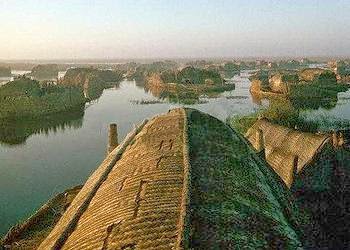
The Mesopotamian Marshes, kind of three distinct basins in south east Iraq, are a place where Iraqi`s used to go when they had trouble with the man… a kind of outlaws paradise, perhaps a Gangsters Paradise, Mess-o-potamia style…and the longer I live, the more I appreciate these little repositories of human wilderness, lawless perhaps, but often with a bit of their own honor. Friends I have familiar with the area from military deployments paint a picture in those early days after liberation of Family feuds settled with heavy machine guns over sleights as simple as Goat theft, endless Internally Displaced Peoples who were happy to support the famed anti American Shittie Cleric Muqtada al Sadr, still not 40 years old today, but the firebrand of Shiite dissatisfaction in the heights of the insurgency when the US was seeming very alone indeed.  Think of the people of the marshes as a Middle Eastern Cajun Clan, doin’ d’ere t’ing in an Arab Achefalaya. These marshes, which had a population of boat people to rival those of  Thailand or the Amazon, numbered at a half million before 1991… were a rich and ancient culture… it´s important to not forget that as Archaeologists find older and older advanced Cultures in places like the Coast of Peru, Hobbit Men in Flores, Indonesia, or older and older stuff in India, the first high civilization still appears to be the Babylonians, again, the Mesopotamians, and as the Cradle of Civilizations’ most geographically protected site, these swamps have to be interesting time capsules of time immemorial.

What the Neocons knew, cads though they no doubt were, but much of the world was unaware of, was that Saddam´s lust for power definitely overwhelmed his love of Anthropology and Archaeology, cute innocent smile though he might have had, and in order to route out his bandit problem, this particular Sherrif decided to do what he was good at by the late 90’s, big horrible acts of supression, and drain the marshes to dry out this problem… Even if he was destroying an ancient way of life and one of the worlds ecological treasures, with a host of endemic wildlife and countless other positive qualities, Saddam was sick of Shiite insurgents, allied with Iran, as Saddam was a Sunni by birth and when convenient to proclaim the faith. The Shiites were definitely not happy with him after his crushing of their insurrection after the Desert Storm, with the sad pulling up of Bush 41 in his commitment to aid insurrections against Saddam in the days, months and years after that war, and lawlessness challenging his authority from what was a bit like the American Swamp foxes lair, the American Revolutionary War Hero Francis Marion, Hollywood-ized ever so grossly deliciously, in the Mel Gibson ‘Rambo meets The Revolution’ action flic The Patriot, but a real person despite Mel larger than life depiction indeed, who operated out of the swampy pine forests between Charleston and Georgetown, South Carolina. If the Brits could have drained that swamp then, they just might have, but this time, as they came in and occupied this portion of Iraq in the wake of the Coalition of Freedom-ism´s 2003 invasion, they were the overseers, along with the Coalition Provisional Authority and a host of other Governmental Agencies, of the Marshland’s slow but steady re-hydration.
http://en.wikipedia.org/wiki/Mesopotamian_Marshes
http://www.globalsecurity.org/wmd/library/news/iraq/2005/05/iraq-050505-usia01.htm
But it wasn´t the British or the Americans or anyone else who got the ball rolling to refill the 90% of the Marshlands that had been drained by huge public works projects that Saddam commissioned, mostly in the form of three huge drainage ditches, one absurdly called the Mother of all Battles Ditch (didn’t they loose that fight?), with an additional absurd Loyalty to the Leader pipeline hauling water to Basrah, bypassing the marshes, that left these areas high and dry for 10 or more years prior to what I will call the re-invasion.
http://en.wikipedia.org/wiki/Draining_of_the_Mesopotamian_Marshes
http://en.wikipedia.org/wiki/File:Iraq_marshes_1994.jpg
 As the Second Coalition’s forces advanced in 2003, the Marsh Arabs celebrated what legitimately was a liberation for them not by toppling a statue, but by tearing out the dykes that held the flow from the slightly uphill Tigris, supposedlywitin hours of liberation, allowing it to begin washing downhill through the ancient marshes in an almost flat shallow flow reminiscent of the Everglades, into the Euphrates, with shovels and whatever they could get their hands on. Whatever feelings one might have about this or any war, it´s had not to find that act of defiance pretty profound. This was an act not much written about in all the confused coverage of those final days of the invasion, but maybe the singular most beautiful event I have heard of in the whole conflict. They were at work within hours of the Withdrawl of Iraqi troops.. it took about 70 years for a similar event to take place in the Florida Everglades last spring through the convolutions of our democracy.

By 2006, the marshes were considered to be 40% filled, but there were problems with the water, due to the salinity of the soil that had been left dry for those 12 years of intense draining, and impacted from draining projects going back to the 1950´s.
http://www.youtube.com/watch?v=G4lBT1YiEw8
Then came a drought that peaked in 2009, which did create some, umm.. shrinkage problems:
http://www.flickr.com/photos/mideaststrategy/5888843020/in/photostream
http://upload.wikimedia.org/wikipedia/commons/transcoded/4/47/Freshwater_Losses_In_The_Middle_East.ogg/Freshwater_Losses_In_The_Middle_East.ogg.360p.webm
The best explanation of the whole story I have found, heck, you could just skip reading me and watch this, was done by CBS’s 60 Minutes in 2011, also complete with an American journalist sitting uncomfortably homo-erotically close to the guy he has to interview over days in boats, but smartly done to explain the situation in general as of 2 years ago:
http://www.youtube.com/watch?v=WhQhtOgXBvo
another somewhat more sumptuous look from some English Documentary makers, also depicting Dr. Alwash.
http://www.youtube.com/watch?v=Ypyzr8-sUt0
So it appears that Dr. Azzam Alwash has become the point man for the battle for the Mesopotamian Marshes (which, by the way, means ‘between the rivers’):
http://www.rivernetwork.org/content/azzam-alwash
Just a few days ago he won what appears to be a prestigeous environmental prize caleld the Goldman Prize:
http://ecowatch.com/2013/iraq-waterkeeper-receives-goldman-environmental-prize/
Man, He’s got some cute daughters.
http://www.goldmanprize.org/
Even the New York Times found it newsworthy
http://www.nytimes.com/2013/04/18/world/middleeast/restoring-iraqs-garden-of-eden.html?pagewanted=all&_r=0
Dang it, I´ve been working on this blog post for a month, an they step on my toes just as I am going to publish!
When the war kicked off, and everyone tried to find a way to contribute no matter how strongly they might have disagreed with the War it´s self, the Italian Government took on the task of trying to restore the Iraqi environment, and the Marshlands become a major focus. Nature Iraq was started,
http://www.natureiraqfoundation.org/index.html
they actually got a new web page recently:
http://www.natureiraq.org/
slick!
kind of the Sierra Club of the newly, umm.. liberated nation, and under this umbrella the New Eden project was created:
http://www.iraqfoundation.org/edenagain/linksgovernment.html
and Water Keepers Iraq
http://www.natureiraqfoundation.org/waterkeepers-iraq.html
http://www.iraqwaterkeeper.org/index.html
They are spreading out and doing all the things you would want an organization in any peaceful country to do: safety training, rafting, water sampling, educational trips.. but this all leaves me a bit unsettled due to, well, a kind of Teutonic need for complete restoration. I want to see the number 100% next to the marshlands descriptions, and right now, I can’t seem to find anyone who posts the land area restored, and no one seems to be even dreaming about it anymore.
http://en.wikipedia.org/wiki/File:IraqMarshesAnnotated.jpg
The Hawizeh Marshes, the eastern ones along the Iranian Border, the ones that were the last man standing and the repository of the marshes genetic diversity after Saddam’s mad plumbing project look fine, healthy in satellite photos, and the ones to the west, the Hammal Marshes, seem to be bouncing back fine if only partially, but the central marshes happen to be where the oil exploration is, and they have, whether due to circumstances or intentions, filled up the least, no one seems to ahve ruptured the Glory River as Saddam named the massive mile wide drainage ditch that drained the Central Marsh, although it no doubt is holding onto a bit of genetic diversity, and now we have next problem on the list: Turkish Dams
http://www.treehugger.com/energy-policy/turkey-vows-to-build-controversial-dam-despite-iraqi-complaints-loss-of-european-support.html
There are flow gages along the river I am learning now from this USGS report,
http://pubs.usgs.gov/ds/540/pdf/ds540.pdf
and people have done the work to understand the basin and write about it in English:
http://www.fao.org/nr/water/aquastat/basins/euphrates-tigris/index.stm
unfortunately, the links for the three promising tables on this page all lead to the same chart that just shows how Iraq only controls 43% of the Territory of the Tigris-Euphrates River Basin, but 93% of Iraq´s area is drained by them, leaving Turkey and Syria to block the vital head water areas for their irrigation and Hydroelectric needs and wants, and nothing seems to let me get to the raw data that would tell me if the situation is improving day by day or not, although maybe I need to take some Arabic lessons first.
http://www.fao.org/nr/water/aquastat/basins/euphrates-tigris/figure03.pdf#fig3
But this entry is about hope, and maybe this is a lesson for me… Dr. Alwash seems to be smiling with the progress made, and he just retired from running Nature Iraq so he can go full time on the lecture circuit and leave the on the ground  (in the marsh!?) work to a new generation of nature technocrats, everyone claiming that in one way or another, the Marshes are about about 50% filled. So maybe this glass is half full, maybe despite the challenges of weather, dam building, tribal warfare, oil exploration, and whatever else might harm the marshes, getting to where they are at, after one of the most heinous acts of wanton environmental destruction in the world, four wars (Desert Storm, the 2003 Coalition Invasion, and the less known battle between Saddam and the Badr Brigades after Desert Storm, and the anti-coalition insurrection that many Shitties fought in these very marshes with the help of Al Queda and Iran until the final withdraw of the US in December of 2011 [I can’t help but notice that in typical CNN style, they are talking about themselves when the last American Vehicle momentously rolled out of Iraq.. yeesh!]) and millions of personal stories of loss, thirst, starvation, displacement, fratricide and violence, cultural upheaval, perceived invaders and economic woes, maybe this is hope incarnate, just perhaps not gift wrapped with a final report the way so many first world stories come. or Maybe it is yet to come, from some still being created Iraqi Department of Interior, some young person still in school today might talk of restored marsh otters and fish species 40 years from now like the man putting the nail in the box holding the holy grail in the last scenes of Indiana Jones, never quite totally realizing what it took to get there, but in a way they are glad he doesn’t…
and one more thing.. according to South Park, even Saddam made it to heaven:
http://www.southparkstudios.com/clips/152292/goodbye-forever-saddam

Categories
Carbon Savings Growth Hope Large Offshore Poster Child Projects Symbol United States Wind Power Wind Power Overview Windmills

The Expansion of Wind’s Power

Somehow Windmills have become the poster child of the Green Revolution..

they are, well, pretty in the abstract, and in person, kind of impressive, form follows function, and they are somehow calming, and like a wind chime, cooling, and they are popping up in large installations it seems just about everywhere (except for the coast of California, but for once I will try not to be grumpy)..the biggest onshore I can find is 5 Gigawatts of potential in north west China, and another in the North Sea might hit 9 Gigawatts.
I can name a few spots I have seen them in my travels. The old famous Farms were the highways east of San Francisco and LA, on 580 and I-10, Altamont and San Gorgonio Pass respectively (the latter also the home of the giant dinosaurs at the truck stop in Pee Wee’s Big Adventure, which I know is more important to you than anything that follows). These installations are somehow a vestige of the first Obama administration, known to many as the Carter Administration (or maybe the third Wilson Administration perhaps..), since it was the environmental movement of the 70’s that laid the seeds of today’s progress, but they lay dormant in some ways for years as we kind of cleaned up many a mess from our wild industrial times before we could step it up to move forward as we are now.

Recently I drove with a friend to Mammouth Ski Area from the West Coast Hipster Capitol of Silver Lake, and made my buddy pull his Subaru over to and swing his skinny jeans out of the car to check this wind farm out, on a ‘Long Cut’ that helped us avoid Palmdale and Lancaster and check out more of I-5 and the countryside. The light blinking in the night kind of provided a fascinating modern spectacle.. no California Road Trip for a Gen X’er complete without some gaping at the weird combo of man made and natural that is The Golden State, and it turns out this is the second largest one in the US.. Tenchapi Pass. One Gigawatt of Potential, Marty McFly, one million American Households, and it was a spinning that night!

http://en.wikipedia.org/wiki/Alta_Wind_Energy_Center
http://www.youtube.com/watch?v=mjCRUvX2D0E
I’ve now seen them from Gaspe Penninsula to near Fairbanks (Alaska has had for a while a collection of like three windmills in a little place called Delta Junction, and a handful of native villages to supplant Diesel generators when possible, but they finally had two Major Utility Farms go online in the last few months, one on an island off of Anchorage, and another south of Fairbanks, near Healy) down to California and then a few in the Midwest, that are easiest to find on an FAA Sectional (Aviation Map) because they show up as a huge collection of flight hazards, like a multi square mile antennae farm. Somehow Illinois has taken a jump into wind, and Indiana is following suit.
The South East isn’t known for it’s wind, but Texas is, and Texas, under T Boone Pickins, has gone big as well. Did you expect anything less from Texas?
Here is a list of the Big ones.. it appears China is building one 5 Gigawatts.. well, I guess it is to be encouraged.. as much as it gets my goat to put nationalism aside..
http://en.wikipedia.org/wiki/List_of_onshore_wind_farms
Potential seems to be growing at the speed of Planck’s Constant.
Wind is the closest to competitive of the Green Energy Sources, usually measured in Price per Kilowatt Hour (how much it costs to build and maintain an energy source compared to the energy it produces), which is kind of the power industry standard, since it is how they bill.. It seems to come in around ten cents per KWH, a little under, but with subsidies can compete with hydro (which I will call pseudo green due to the environmental consequences of Dam Building) at sometimes as low as 4 cents a KWH, Coal and Natural Gas which might be around 6 cents per KWH. The wind industry was about to board up and close shop when it was anticipated that Romney would win re-election, but it looks like they are good for another 4 years as from the Inauguration speech to even the back rooms of the Fiscal Cliff debate, the Administration seems to be earnestly keeping these green incentives on the table. There are permitted projects in places like North West Indiana, Marshall County, that will likely go through now, and in Mexico the bread company that makes Bimbo, Gamesa, essentially North America’s Largest Bakery, has decided to offset it’s carbon footprint by financing a 90mw Farm in Oxaca. A company called Gamesa,not to be confused with the Mexican Cookie Manufacturer of the same name, but given the Bimbo story, I did, is planning Wind Farm near Tecate, perhaps the most charming border town in Mexico right now (and a good place to have your teeth fixed. To explain to me why Tecate had not gone the way of Juarez or Tijuana, the dentist told me that the border actually closes at like 10pm, which kept Tecate from being a party town).
But I have failed to mention offshore. The fight over Cape Wind, the wind farm near Nantucket, settled at the federal level over the strong protests of Nantucket’s many Billionaire Residents like one of the Koch Brothers, was kind of a landmark fight, but it was won by the utility installing the wind farm, or so I thought.. it appears Save our Sound might have yet filed another injunction:
http://en.wikipedia.org/wiki/Cape_Wind
http://www.capewind.org/index.php
http://www.saveoursound.org/
http://switchboard.nrdc.org/blogs/kkennedy/the_cape_wind_offshore_wind_fa.html
Unfortunately the fight has tied the project up for now some 12 years, so that nothing has actually happened yet physically as far as I can tell except for constructing a new office. That project pales in Megawatt-age compared to this that I just discovered on Googles Blog:
http://www.nytimes.com/2013/01/15/business/energy-environment/an-offshore-wind-power-line-moves-ahead.html?_r=0
http://atlanticwindconnection.com/
http://en.wikipedia.org/wiki/Atlantic_Wind_Connection
This is an Ambitious project! Looks like the kind of thing that eventually ends up in the last scene of a James Bond movie
And that’s just America… Europe appears to be the leader for now in offshore, but Nantucket and now Atlantic promise to be Bigger, perhaps holding the record for a while.. Go Jersey!
If I could voice just one reservation, that as much as I don’t want to be a wind power naysayer, the legitimacy of the bird kill possibilities aside (although habitat loss and global warming have and promise to kill a lot more), there is something beautiful about the sea not being defined, that other than navigation or a GPS, it is a space without reference, and the idea of offshore wind farms does somehow spoil that fantasy, gives it a checker board of definition, but I guess to save the sea, we must take away some of it’s mystery..
On with wind power!
http://energy.gov/articles/wind-farm-growth-through-years#buttn
http://www.windpoweringamerica.gov/wind_installed_capacity.asp

Categories
Atlantic Right Whale Big Sur California Condor Hope Numbers Pinnicles NAtional PArk Population Recovery Red Wolf San Perdo Martir Vermillion Cliffs

California Condor: 400 and counting..

Never seen one, but I know how important they are. I think they are the biggest bird in North America, and what I guess I would describe as the Apex Scavenger of the American West. Debates continue as to how far East and North they might have ventured,but from Oregon to Texas and all along California and down into Baja and perhaps even Sonora and beyond they soared.
They are huge, 9 foot wingspan. I have seen an Andean Condor, the biggest bird in the world with up to 10.5 ft wingspan, and all I could think to compare it to was a C-5 transport plane as it flew towards me, impossibly large… They are basically huge buzzards, the things look like something out of Spielberg’s Dark Crystal, or like an animal caricature of the long lean faces of the old Indian groups from the same areas, like an old man from the Tarahumara in Mexico.
This tells the story better than I could. DDT was the problem, and they are susceptible to lead poisoning as well, which is a second major human cause of premature fatalities, since they often feast on carrion that has bullets or lead shotgun pellets embedded in it..They scooped up every remaining one in the wild they could about 25 years ago, the 20 or so remaining pairs, and started breeding. Their mating got all the attention of European Royalties for a while.
http://shadowofthecondor.com/facts.html
http://www.ventanaws.org/species_condors/
The Plan, with players like the USFWS, NPS; San Diego Zoo, Ventana Wildlife Society, and now the Mexican National Commission for Natural Protected Areas (CONANP) and SEMARNAT, the Mexican equivalent of an EPA, was to breed the remaining ones and try to increase numbers, then release them into the wild again as it became possible
with the degradation of the remaining DDT derivatives in the environment. The multi national multi agency effort up to five release sites:
Big Sur http://www.bigsurcalifornia.org/condors.html they never quite say where, but it looks like the northern areas near Monterrey. To be exact: http://www.parks.ca.gov/?page_id=578
http://gocalifornia.about.com/od/cabigsurmenu/a/condor-watch.htm
Pinnacles (never heard of it?..it’s a bit obscure as National Parks go, although there are like 380 of them. Inland from Salinas and Monterrey, east of the 101 on a dirt road last time I went there.)
http://www.nps.gov/pinn/naturescience/condors.htm
Sespe Condor Sanctuary in Los Padres National Forest, basically just north of Simi Valley, practically Angelinos, these scavengers:
https://plus.google.com/113976984920027860164/about?gl=mx&hl=en
The Vermillion Cliffsof Northern Arizona, north of the grand Canyon:
http://www.blm.gov/az/st/en/prog/recreation/watchable/condors.html
And now the highest area of the Baja Peninsula, the Mountains of San Pedro Martir, which rise to 11,000 ft and are well separated from many pressures.
http://www.inecc.gob.mx/menu-con-eco-ch/index.php?option=com_content&view=article&id=395:condor-parque&catid=37
They even have kindof a spotter site for fans:
http://www.condorspotter.com/
the effort is multinational and going places, soaring so to speak…
Like a lot of these Endangered species that number less than 1000 (Red Wolves, Atlantic Right Whales, The Vaquita), they seem to breed about once a year, so the number is a year to year thing. It’s like watching your favorite sports league at a glacial pace… but watch the progress we shall.. maybe we even pretend the things are pretty! With a little surgery, maybe we could get them work in the San Fernando Valley..

Categories
2015 Boat Emissions Bunker Oil Carbon Savings Hope Panama Canal Panama Canal Expansion Short Cut

Panama Canal Expansion Project

Due to be done in a few years, and for a while ahead of schedule (no longer at last check), this promises to save a bunch of carbon, and the new gates are more efficient water-wise than the old ones, allowing for less impact on the ecosystem of the Canal Zone, well less than would have happened with the same gate system as the old gates (100 years and ticking!).
http://en.wikipedia.org/wiki/Panama_Canal_expansion_project
the one knock against this, unless you get anarchistic, is that it could have been done with a railroad system, but that might have been even more destructive, as panama would have had to build a huge port on it’s pacific side, plus a huge container yard, which might have been more of an eyesore and an environmental catastrophe than just this big construction project.

Expected Completion Date: December 2015
Monitor:
this first one is a bit engineering heavy.. they haven’t quite come up with a cool countdown clock yet..
https://www.pancanal.com/eng/expansion/rpts/informes-de-avance/index.html
https://www.pancanal.com/eng/index.html
https://www.pancanal.com/eng/photo/webcams-works.html?cam=Expansion
wow, this is a report about the impact in the US, and it implies that I might be simplifying things a bit, but ships go places other than the US, and I know there are already ships going around Tierra Del Fuego that now won’t have to, so I stick by my assertion that good will come from this.
http://www.future-science.com/doi/pdfplus/10.4155/cmt.12.65

I once drove the length of the Canal on the back of a friends moped (there is a cool train you can take too) and I saw one of the coolest things I have ever seen.. they had started digging the cut away from the existing canal to the new pacific locks, and a boat was going by that spot, and from my vantage point I could look past the boat to dry ground below it on the other side of the dike keeping the canal in place while the digging goes on.. still gives me the willies! it was a phenomenon that seemed impossible or at least physically improbable, like seeing a boat float past you from below through fresh air (which is likely possible from that hole).
I can smell the fresher air already, and what kid doesn’t think the Panama Canal is cool.. c’mon.. it’s like the Panda Bear of big industry!

Categories
Blog Environment Environmental Projects enviroprojects.blogger.com enviroprojects.blogger.mx Hope The Song Remains the Same

Introduction

The news about Global Warming is depressing, worse than people realize, and sadly true. I have a friend who is a Government glaciologist, and he once, after a beer or two, decided to tell me how much time was left for a few major ice caps we knew.. it’s a bit sad.. add to this the 150 years of environmental degradation from industrialization and population growth we are healing from, like a post party house cleanup, so I needed uppers, and I found a few good projects around the world to give me hope,which I sometimes check like expats check the sports scores back home… Like the cheesy line that Robert Plant somehow could pull off in introducing Stairway to Heaven on The Song Remains the Same: This is a Song of Hope…
http://www.youtube.com/watch?v=9Q7Vr3yQYWQ